Jan 4, 2026
The pandemic made one thing clear: airborne transmission is real, widespread, and poorly understood by most people.
When someone coughs, sneezes, or simply talks, they release respiratory droplets into the air. Large droplets fall quickly. But smaller particles—aerosols—can remain suspended for hours, drifting through rooms, traveling down hallways, and circulating through HVAC systems.
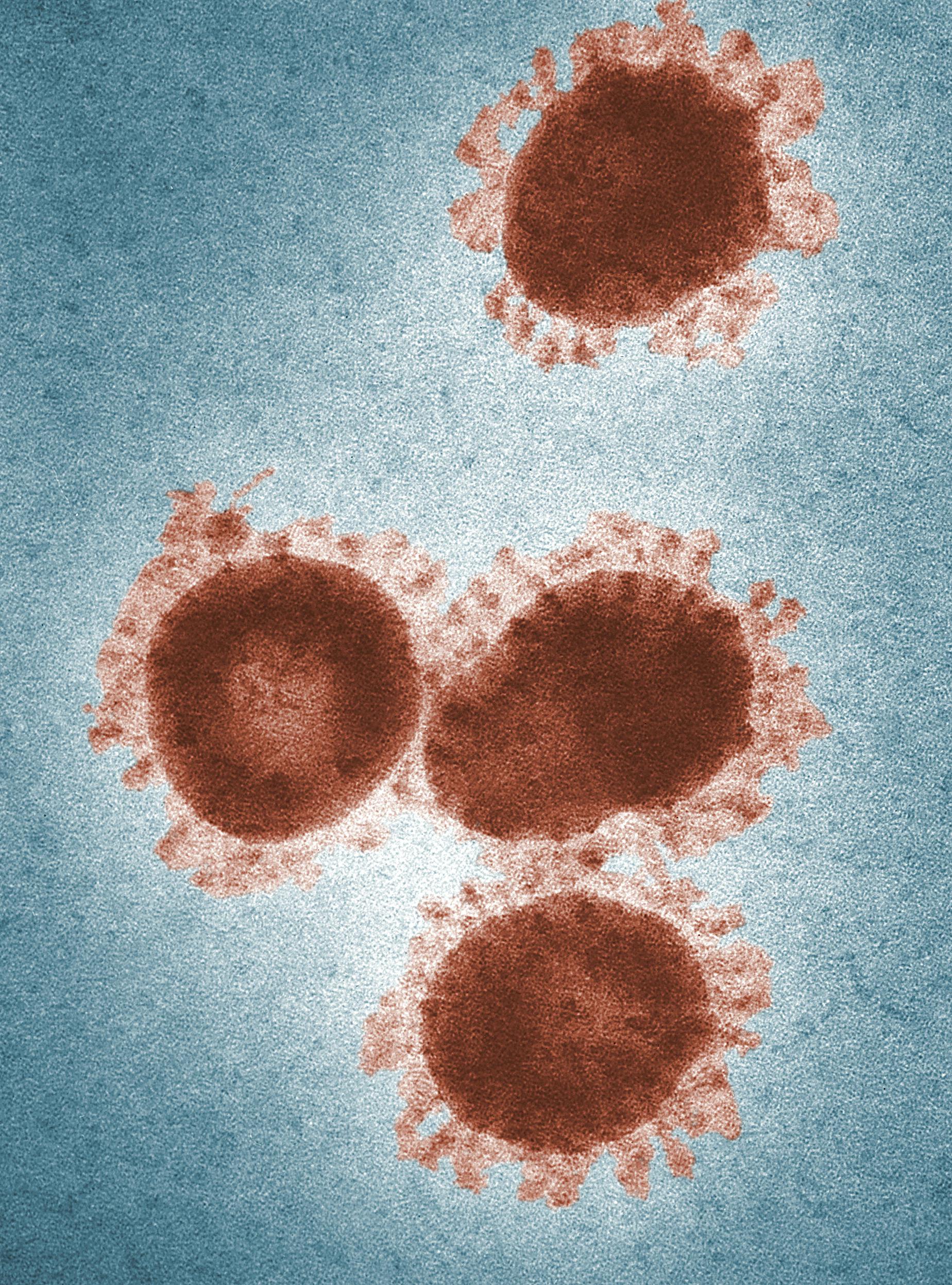
These aerosols carry viruses. Influenza. RSV. COVID-19. Common cold. They're invisible, persistent, and capable of infecting anyone who breathes them in.
Most people assume an air purifier solves this problem. It doesn't.
How Airborne Viruses Actually Spread
Viruses travel in two ways: Droplets are large particles (>5 microns) that fall to surfaces within seconds. These are what hand-washing and surface disinfection address.
Aerosols are microscopic particles (<5 microns) that remain airborne. These are what air purification is supposed to handle—but most systems fail at this critical task.
When aerosols are released, they behave like smoke. They don't settle. They circulate. And unlike bacteria, viruses don't need moisture or nutrients to survive. They can remain infectious on surfaces and in the air for extended periods.
The CDC and WHO now acknowledge that aerosol transmission is a primary infection route for respiratory illnesses. Indoor spaces with poor ventilation are particularly high-risk.
What HEPA Filters Actually Do (and Don't Do)
HEPA filters are designed to trap particles as small as 0.3 microns—which includes most viral aerosols. So far, so good.
But trapping isn't the same as neutralizing.
When a virus is captured in a HEPA filter, it doesn't die immediately. Studies show that viruses can remain infectious on filter material for hours or even days, depending on the pathogen and environmental conditions.
Worse, as filters become saturated, they can release trapped particles back into the air—a process called filter blow-off or re-aerosolization. Every time the purifier cycles on, there's a risk of redistributing what it previously captured.
And if you touch a contaminated filter during replacement? You've just exposed yourself to concentrated viral load.
HEPA filters trap viruses. They don't eliminate them.
UV and Ionization: The Oversold Solutions
Seeing the limitations of filtration, manufacturers added UV-C lights and ionizers to their systems.
UV-C light can inactivate viruses—but only with sufficient exposure time and intensity. In most air purifiers, air moves too quickly past the UV source for meaningful disinfection. The virus passes through before it's neutralized.
Ionizers release charged particles that bind to contaminants, making them heavier so they fall out of the air. The problem? Those particles don't disappear—they land on your furniture, walls, and floors, where they can be disturbed and re-aerosolized. Some ionizers also produce ozone, which is a respiratory irritant.
Both technologies add complexity, cost, and potential side effects—without solving the core problem.
How Water Purification Handles Viruses Differently
Water-based air purification doesn't rely on trapping or neutralizing. It removes viral particles from circulation entirely.
When air passes through Delphin's water-vortex system, aerosols collide with water molecules at high speed. The viruses are bound by water and pulled into the basin, where they can no longer become airborne.
Unlike a filter, the water doesn't become a reservoir of infectious material that gets blown back into your home. After use, you pour the contaminated water down the drain. The viruses are gone—not trapped, not waiting to escape, not sitting in your living room inside a sealed cartridge.
And because there's no filter to degrade, performance doesn't decline over time. Every cycle is as effective as the first.
No System Is 100%—But Some Are Smarter
Let's be clear: no air purifier eliminates 100% of airborne viruses. Not HEPA, not UV, not water washing. Perfect sterilization would require hospital-grade negative pressure rooms and multi-stage filtration.
But the goal isn't perfection—it's risk reduction.
Water washing reduces viral load in the air without creating secondary contamination risks. It doesn't blow viruses back into your space. It doesn't require you to handle infectious material during maintenance. And it doesn't rely on consumable parts that lose effectiveness over time.
It's a smarter approach to an old problem.
What You Can Do Now
If you're concerned about airborne illness—whether seasonal flu or the next pandemic—focus on three things:
Ventilation: Fresh air dilutes viral concentration. Open windows when possible.
Humidity: Viruses survive longer in dry air. Maintain 40-60% relative humidity.
Active purification: Use a system that removes contaminants from circulation, not just moves them around.
Water-based air washing addresses the third point without the drawbacks of filtration.
Schedule a complimentary consultation to see how water purification captures what filters leave behind—and why it's the smarter choice for homes serious about air quality.