May 26, 2026
You vacuum. You wipe surfaces. You try to stay on top of everything. And for a moment, it works—the place looks clean, feels fresh.
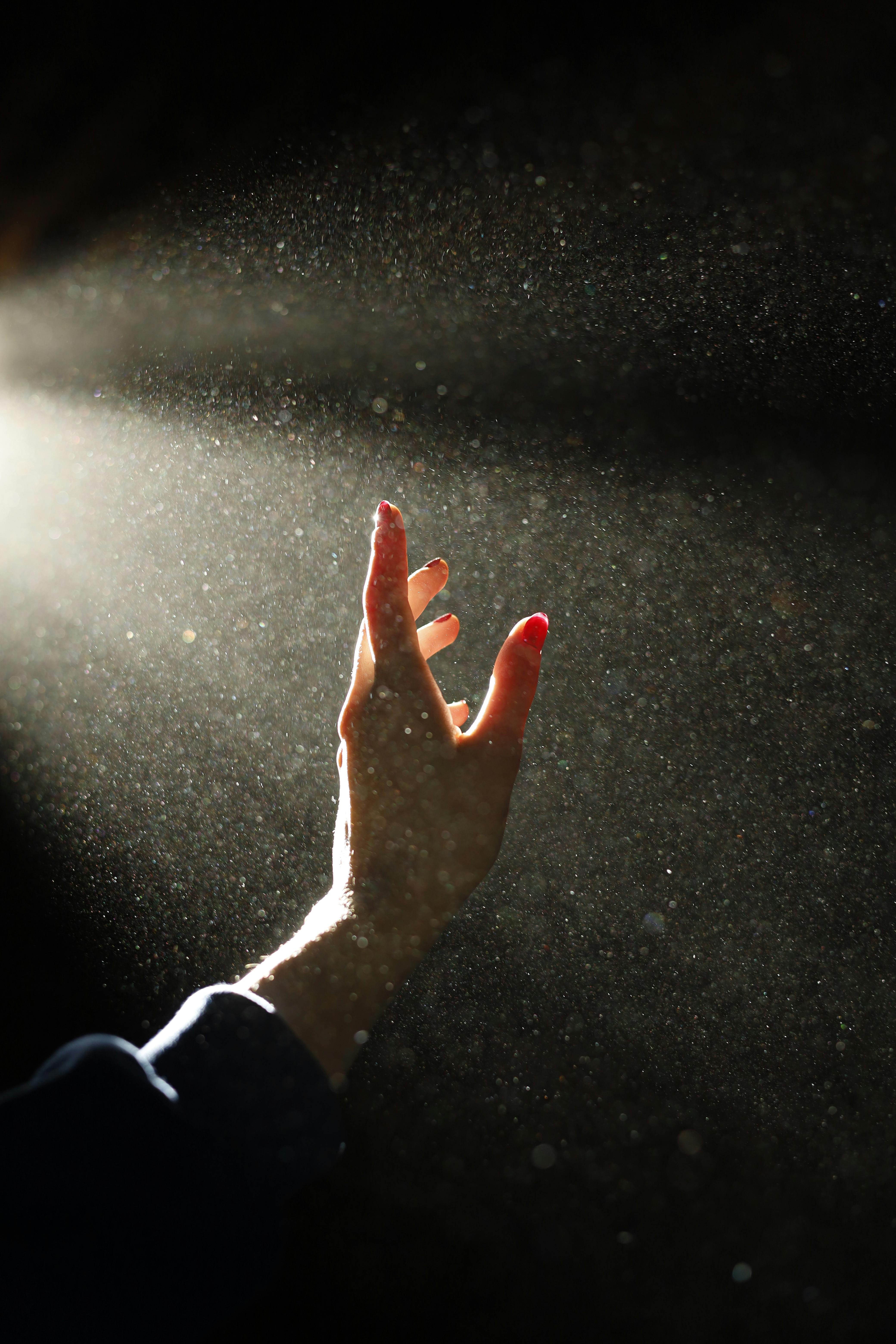
Then a day or two later, dust is back on the furniture. You see particles floating when sunlight hits the room. There's still a smell you can't fully get rid of.
You're cleaning—so why does it feel like nothing really changes?
Dust Is Not Just "Dirt"
Most people think dust is dirt from outside. But dust is actually a mixture that builds over time. It can include skin particles, hair and fibers, pet dander, dust mite waste, mold spores, and particles from fabrics and furniture.
Only a small portion of dust is visible. The rest is too fine to see—but it's still there, sitting in the air or embedded in surfaces. So even when everything looks clean, that doesn't mean it actually is.
Why It Keeps Coming Back Every Day
Even if you clean perfectly, new particles are constantly entering your space. Every day, your shoes bring things in, your clothes carry particles from outside, your hair releases dust into your home, and pets shed continuously.
The issue is not just what's already there. It's what keeps getting added on top of it.
Why Pets Make It Worse
If you have pets, you've probably noticed this more. Hair is the obvious part. But the bigger issue is dander—microscopic skin particles that stay in the air longer, settle into fabrics, and get released again every time something moves.
It builds up in couches, carpets, and bedding. And once it's there, it doesn't just stay there.
Why Cleaning Often Doesn't Solve It
Most cleaning methods focus on what you can see. They remove surface dust—but they don't fully remove what's embedded deep inside fabrics or what's already floating in the air. And sometimes, they actually make the problem worse.
Basic cleaning tools—dusters, mops, cloths, brushes—don't remove particles completely. They move them. You wipe one surface, and the particles go somewhere else. Into the air. Onto another surface. Back into circulation. The space looks clean, but the dust is still there, just redistributed.
What's Actually Happening With Filters and Vacuums
Most people assume air purifiers and vacuum cleaners are removing dust completely. But think about how they actually work: they rely on filters.
A filter is a mesh with tiny holes. As air forces its way through, particles get dried out, break apart, and turn into smaller, finer pieces. So instead of one larger particle, you now have many smaller ones—and smaller particles are easier to push back into the air.
Why Smaller Particles Are a Bigger Problem
When dust breaks down into finer particles, it stays airborne longer, spreads more easily, and becomes easier to inhale. What started as something that settled on a surface becomes something that circulates through your air—again and again.
This is the cycle: new particles come in every day, existing particles aren't fully removed, cleaning redistributes them, and air keeps circulating them. The problem doesn't restart. It continues.
What Actually Breaks the Cycle
To stop this, you don't just need to clean more. You need to remove what's embedded, prevent particles from re-entering the air, and stop the cycle completely.
When that happens, something changes. Dust doesn't come back as quickly. The air feels lighter. Odors fade instead of lingering. Not because you cleaned more—but because the dust stopped coming back.
Schedule a complimentary consultation to see Delphin in action—and discover what's already in your home's air.